
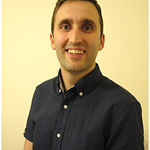
 For our latest blog, Chris Shorter, our Neurological Rehab specialist at North Light Physiotherapy discusses the specifics on offer
“Physiotherapy is strongly recommended in the national guidelines for rehab and management of neurological conditions”, he says.
Experience
From working in the field of neuro-rehab for over 14 years now, Chris has seen its effectiveness first hand in many ways. Conditions treated include, but aren’t limited to Parkinsons Disease, Multiple Sclerosis and Stroke. Neurological disorders and disease are vast. Chris relishes the variety, and the challenge this variety presents, and takes an enormous amount of satisfaction in patient outcomes.
Chris says: “We are now very happy to offer assessments and treatments at North Light Physiotherapy, either in our clinic or in our spacious gym setting, which has level access. We know that in some cases mobility can be severely limited, so we can also offer the option of home visits. *” (* – within a maximum range of 3 miles from the Clinic)

Expectation
“Physiotherapy begins with a thorough assessment: gaining information on the patients’ goals and targets for rehab / condition management. A typical physical assessment may include assessment of movement, strength, muscle tone, balance and gait pattern. There are also more condition-specific assessments that we would include, depending on the presentation.”
“Treatment may entail work on improving movement and strength through a combination of exercise, hands on therapy and movement re-education. Advice on orthotics or walking equipment is also considered. Balance rehab and specific feedback on how to improve gait (walking) pattern is also a common approach. ”
Whether your problem is pain caused by your condition or balance problems, maybe even falls, we would provide treatment or advice for this. A goal for many of our patients is to improve mobility levels. This can be broken down into more specific steps, and advice can be provided on the areas to work on along with education on what may be causing the current problems.
Treatment Specificity
As an example, one persons problem may be due to weakness around a specific joint or more than one joint, for another it may be due to higher level balance problems; the role of the physiotherapist is to identify the contributing factors causing the problem and to provide specific advice on how to work on this.
Living with a neurological condition that can often be for the long term can be a strain on our resources and motivation. However a therapeutic alliance between physio and patient is key. We give our patients the time they need to discuss how their conditions impacts on their wellbeing, because an empathic listening approach is therapy in itself and helps the rehab process.
One on one rehab can be a very motivating experience and achievement of goals is rewarding no matter how small…and when our patients takes control of their condition, that’s our favourite outcome!
For details of how we can help with your Neurological condition, get in touch!
To book an appointment with Chris Shorter or any of our expert Team at North Light Physiotherapy Associates, PLEASE DO NOT LEAVE A COMMENT HERE ~ Use our Contact form, or call us on 01484 660663.
 Physiotherapy is highly effective for the diagnosis and treatment of dizziness, and for balance rehabilitation. In this piece we look at Vestibular Rehabilitation at North Light Physiotherapy, with