Appointments

01484 660 663

North Light Gallery, Top Row, Bankfoot Lane,

Huddersfield, HD4 7NP

Get in touch

admin@northlightphysio.co.uk

Blog


Stephen Earle

Marathon Man sets record under North Light!

Having never strength-trained, Stephen was skeptical about the benefits in runners. By his own admission, he would get to the latter stages of Marathons and tighten up in his back and hamstrings. This was despite being a seasoned runner, and even winning the Summer Sprint edition of the Spine Race!

For Stephen and for everyone, we’re here to help! Goals and contexts differ, but the same rule applies: you can’t go wrong getting strong!!

If you need support with your Knee Rehab, get in touch!

SG Active Podiatry in Huddersfield

Podiatrist Joins Our Team!

North Light Physiotherapy delighted to add Podiatry to our list of services

Simon Gleich (BSc Hons Podiatric Medicine)

Simon graduated from the University of Huddersfield in 2002 with a BSc (Hons) in Podiatric Medicine. He has worked for the NHS in Barnsley since then. In 2008 Simon became a clinical specialist and lead in Biomechanics, heading a team of 9 podiatrists. They provide treatment for Musculoskeletal pain in the foot, ankle and lower limb.

Working closely with Rheumatology and Diabetes consultants enables him to oversee the protection of feet. This is because a team approach to reduction of pain enables a higher quality of life for patients with high risk conditions. 

Clinical Experience

With over 18 years of clinical specialism Simon has developed excellent diagnostic and assessment skills. This enables him to develop high quality individual treatment plans, and empower education. This empowers patients to maximise their foot health and comfort, particularly in activity.  Often using custom made (orthoses) insoles to reduce mechanical workload and protect the feet, Simon is able to positively affect the biomechanics of the lower limb, to the advantage of your comfort and performance.

Sporting Excellence

Simon has a long standing interest in rehabilitation of injury and pain in sport, particularly football. He is the current sports podiatrist for Huddersfield Town Women’s Football Club.  Simon has enabled a high number of people to return to sport, and continue participating when otherwise they may have had to stop due to pain.  

Key Skills and Specialisms

-Excellent foot and ankle diagnostic skills of general and mechanical foot pain and problems

-General foot care and treatment

-Custom prescription, manufacture and fitting of orthoses / insoles

Joined up working with Physiotherapy Team

Physiotherapy and Podiatry work hand in hand, to the benefit of the whole lower limb. Biomechanical podiatry and insoles can often offset mechanical pain quickly. Alongside Physiotherapy rehabilitation incorporating bespoke exercises, the longer-term lower-limb mechanics can be positively affected.

Poor skin and nail health can often cause pain, and thus negatively influence lower limb function. Attention to, and positive influence on the health of skin and nails of the foot, enable better function, alongside good Physiotherapy care.

Introductory Discount

Simon Gleich- Lead Podiatrist

Throughout February 2025 only, we are offering 15% off all new bookings for our Podiatry service!

Click link below to book!

https://north-light-physiotherapy-associates-ltd.uk2.cliniko.com/bookings?business_id=934636319945007581&practitioner_id=1543631671075545207

or..

Call our office to book, on 01484 660663.


Physiotherapist or Sports Rehabilitator: Not The Same!

With the advent of Sports Rehabilitation as an Undergraduate Degree, and Sports Rehabilitators appearing in the marketplace, I’m often asked what the difference is ~ and whether someone should seek help from a Physiotherapist or Sports Rehabilitator for a musculoskeletal condition.
What is a Physiotherapist?

  • The term “Physiotherapist” describes a professional who uses physical and manual methods to restore function, and rehabilitate ‘patients’ with physical conditions
  • Both “Physiotherapist” and “Physio” are legally protected titles. This prevents anyone without a certified degree in Physiotherapy from
    • using the title of Physiotherapist
    • or describing their role as that of a Physiotherapist
  • Physiotherapists are, alongside all other Professions Allied to Medicine (PAMs), required to have registration with the Health and Care Professions Council (HCPC), a regulatory body requiring members to demonstrate appropriate continuing professional development, to maintain their registration. Without this, a Physio is not entitled to practice

To complete the undergraduate degree, a Physiotherapist must study and demonstrate competence in the care of a range of conditions – not only musculoskeletal in nature, but also neurological conditions, respiratory disease, general surgical and orthopaedic surgical conditions and more.

The qualified Physiotherapist is then armed (as most do initially) to take up a post in the NHS or other medical institution, to continue to develop their practice. It is during the initial 2-3 years that the Physio will work across all fields of the profession, and also begin to develop a special interest in a specific area (e.g. musculoskeletal, neurology, etc.). As experience and depth of knowledge is gained, there is too much ongoing learning required to maintain expertise in more than one area.

Having said that, the early broad learning in the Physiotherapist’s career is essential, as there is a great deal of overlap in some areas. For example, some neurological knowledge is key to musculoskeletal rehabilitation, as the two systems are not mutually exclusive.

What is a Sports Rehabilitator?

  • Having completed an undergraduate degree in Sports Rehabilitation, this practitioner has knowledge specifically in the assessment and rehabilitation of sporting/musculoskeletal complaints
  • As the title suggests, the emphasis is often on returning a ‘patient’ to a specified level of sporting capacity. Manual/hands-on therapies are also used by a Sports Rehabilitator
  • However
    • There is no training offered in a broader systems rehabilitation approach (e.g. neurological rehab)
    • This practitioner is currently not a “Professional Allied to Medicine”
    • The qualification is not currently regulated by the HCPC, and practitioners are therefore not required to meet their standards to practice
  • There is also currently no avenue for the Sports Rehab practitioner to work in the NHS or medical institutions, nor to register with health insurance providers such as BUPA, AXA, etc.

Overlap
There is a great deal of overlap. Both practitioners are able to provide hands on treatments and exercise prescription, to improve symptoms. Technically and literally, a Physiotherapist practicing in the musculoskeletal specialism, rehabilitating patients back to sport, is a sports rehabilitator.

However at the time of writing this blog, the lack of HCPC registration means the Sports Rehabilitator is not found working in the field of elite sport, because of the extent of medical overlap often required in musculoskeletal roles within professional sport.

Extended Scope
It is also worth noting that, critically, a large number of medical conditions can masquerade as musculoskeletal problems. The key here, is to have a practitioner who has the correct experience to differentially diagnose whether your condition is truly musculoskeletal, or is masquerading for an underlying medical problem.

Physiotherapists with this level of expertise are highly experienced, usually having worked in a hospital/medical setting in musculoskeletal care, for at least 8, or up to 10 years, and have seen a very large volume of differing conditions over many years. They are referred to as Extended Scope Physiotherapists (ESPs).

The key skill of an ESP is knowing what is a rehabilitation problem, what isn’t a rehabilitation problem, and for the latter, who is the correct professional to refer to.

Summary

  • The key thing to remember, whichever practitioner you choose, is experience
  • A Sports Rehabilitator has a good depth of training, and many offer a good service in managing the recreational athlete
  • However, one must bear in mind the breadth of training in Physiotherapy, and the advantage of the medical training incorporated in the Physiotherapy degree

Of course, the extent of experience of your chosen clinician is vital too. For me, the choice to open a Clinic was one I gave a lot of consideration to.  I felt this choice was realistic after I had accumulated 10 years of experience, knowing I felt confident to assess whoever walked in through our front door – but I also continue to humbly accept that I have, by no means, learnt all there is to know!

Best Wishes,
Chris

Chris Liversidge (MSc, BSc (Hons) 1998,2001, MCSP) is an Extended Scope Physiotherapist (Musculoskeletal/Orthopaedics) and Practice Prinicpal at North Light Physiotherapy Associates, UK.

To book an appointment with the experts at North Light Physiotherapy, PLEASE DO NOT LEAVE A COMMENT HERE! 

Call us on 01484 660663,  or click on our Contact page

Neurological Rehab at North Light Physiotherapy

Chris Shorter North Light PhysiotherapyFor our latest blog, Chris Shorter, our Neurological Rehab specialist at North Light Physiotherapy discusses the specifics on offer

“Physiotherapy is strongly recommended in the national guidelines for rehab and management of neurological conditions”, he says.

Experience
From working in the field of neuro-rehab for over 14 years now, Chris has seen its effectiveness first hand in many ways.  Conditions treated include, but aren’t limited to Parkinsons Disease, Multiple Sclerosis and Stroke. Neurological disorders and disease are vast. Chris relishes the variety, and the challenge this variety presents, and takes an enormous amount of satisfaction in patient outcomes.

Chris says: “We are now very happy to offer assessments and treatments at North Light Physiotherapy, either in our clinic or in our spacious gym setting, which has level access. We know that in some cases mobility can be severely limited, so we can also offer the option of home visits. *”   (* – within a maximum range of 3 miles from the Clinic)

Neurological physiotherapy Rehab North Light Physiotherapy

Expectation

“Physiotherapy begins with a thorough assessment: gaining information on the patients’ goals and targets for rehab / condition management.  A typical physical assessment may include assessment of movement, strength, muscle tone, balance and gait pattern. There are also more condition-specific assessments that we would include, depending on the presentation.”

“Treatment may entail work on improving movement and strength through a combination of exercise, hands on therapy and movement re-education. Advice on orthotics or walking equipment is also considered. Balance rehab and specific feedback on how to improve gait (walking) pattern is also a common approach. ”

Whether your problem is pain caused by your condition or balance problems, maybe even falls,  we would provide treatment or advice for this. A goal for many of our patients is to improve mobility levels. This can be broken down into more specific steps, and advice can be provided on the areas to work on along with education on what may be causing the current problems.

Treatment Specificity

As an example, one persons problem may be due to weakness around a specific joint or more than one joint, for another it may be due to higher level balance problems; the role of the physiotherapist is to identify the contributing factors causing the problem and to provide specific advice on how to work on this.

Living with a neurological condition that can often be for the long term can be a strain on our resources and motivation. However a therapeutic alliance between physio and patient is key. We give our patients the time they need to discuss how their conditions impacts on their wellbeing, because an empathic listening approach is therapy in itself and helps the rehab process.

One on one rehab can be a very motivating experience and achievement of goals is rewarding no matter how small…and when our patients takes control of their condition, that’s our favourite outcome!

For details of how we can help with your Neurological condition, get in touch!

To book an appointment with Chris Shorter or any of our expert Team at North Light Physiotherapy Associates, PLEASE DO NOT LEAVE A COMMENT HERE ~ Use our Contact form, or call us on 01484 660663. 

Sports Massage at North Light Physiotherapy

Who can benefit from Sports Massage?

Sports Massage at North Light Physiotherapy

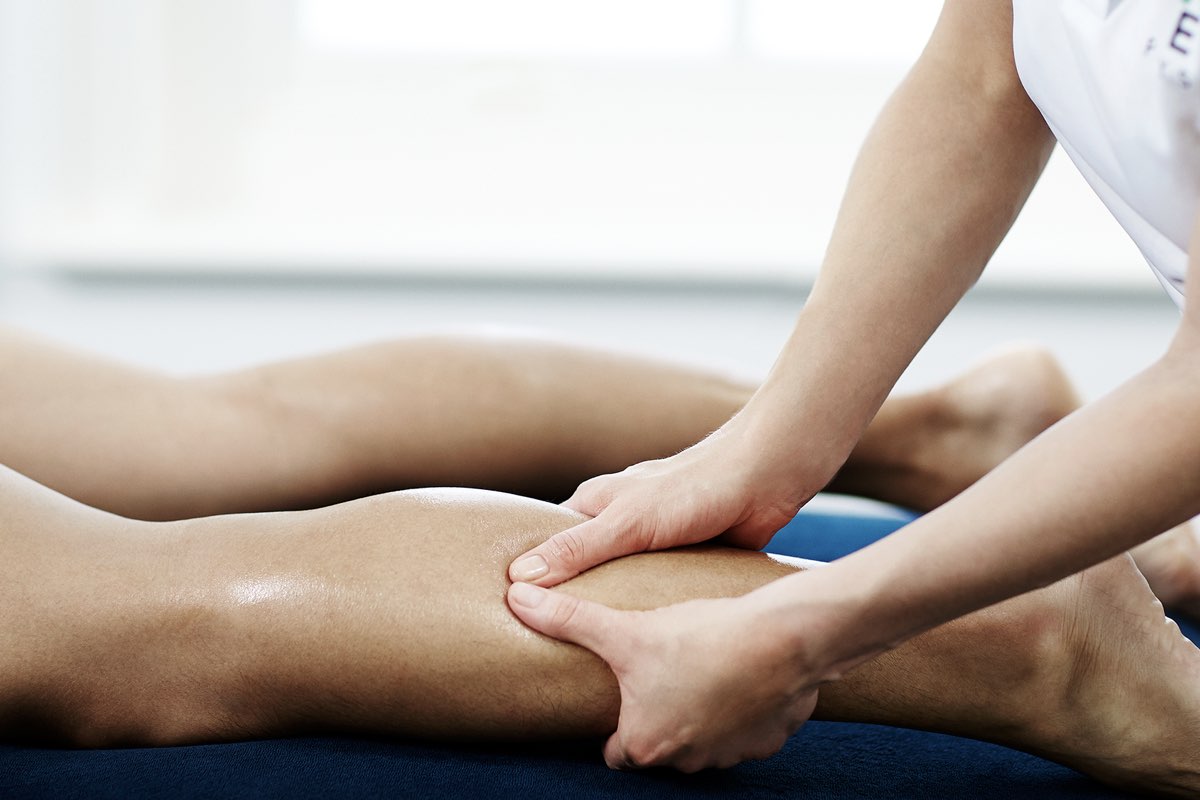
Sports Massage is useful for various problems, not just in a sports context. Often muscles can feel tight or stiff after heavy or repeated physical activity this can be sporting, occupational or recreational. Muscular tightness and restriction can be reduced, and pain alleviated as part of a more broad based management strategy that may form part of a regular training programme, or a course of Physiotherapy or rehabilitation.

Expertise

Our team have a wealth of experience and expertise.  We have worked with professional sports people, and this experience is invaluable in working with athletes at all levels and abilities.  We can support you, whether in preparation for athletic events, such as endurance running, cycling sportives, or if you only take part in your favourite activities for fun and wellbeing.

To book your Sports Massage, call North Light Physiotherapy on 01484 660663 or head over to our Contact page – looking forward to seeing you!

Dizziness: Life in A Spin…?

http://northlightphysio-co-uk.stackstaging.com/life-spin-dizziness/Physiotherapy is highly effective for the diagnosis and treatment of dizziness, and for balance rehabilitation.  In this piece we look at Vestibular Rehabilitation at North Light Physiotherapy, with Chris Shorter

Dizziness can be very limiting on our lives, impacting our ability to move normally and has a huge impact on our emotional wellbeing. It often leads to falls and causes anxiety and avoidance of many activities. Many people live very restricted lives with this condition.

If dizziness is related to the inner ear (a problem with our peripheral vestibular system), Physiotherapy can be highly effective. For example: the Epley technique is a postural movement technique than can reverse dizziness. Specific eye and head exercises are often used to challenge the balance system in order to improve it. A graded exposure to dizziness is also recommended, the system will only reset itself if we expose ourselves to dizziness, and this is carried out gradually at a rate the patient can handle.

Some medical causes of dizziness can be ruled out during Physiotherapy assessment, such as postural hypotension (blood pressure drop that occurs during a change in posture) or VBI – vertebrobasilar insufficiency- where the blood supply to the brain gets temporarily blocked by neck movements. A key role of the Physiotherapist is ascertaining what isn’t manageable with Physiotherapy, and in these cases, referring on to the correct specialist.
Postural hypotension and VBI can be medically managed, and if these problems are found during screening we would provide advice and then refer to your GP for further assessment.

Factors such as stress and anxiety are also considered in the holistic process of assessment and treatment, as in my clinical experience dizziness is often linked with times of stress, poor health or even bereavement. Addressing these factors or even making the links to your dizziness symptoms can also play a big part in recovery.

If your life is limited by dizziness, you have a problem with your balance, or you are prone to falls, Physiotherapy may well be the solution!

Call North Light Physiotherapy Associates on 01484 660663, or send a message on our Contact page.


Chris Shorter of North Light Physiotherapy Associates, Huddersfield, UK, qualified as a Physiotherapist in 2003.  He has a special interest in balance and vestibular issues, which he comes across daily in his clinical practice.

Shockwave Therapy at North Light Physiotherapy

Extracorporeal Shockwave Therapy for Musculoskeletal Conditions

Extracorporeal Shockwave Therapy (ESWT) has been successfully used for the management of a variety of musculoskeletal conditions for over 20 years. It is now available at North Light Physiotherapy!

In Urology, shockwaves are used to disintegrate kidney stones, whereas in Musculoskeletal medicine, its use is to induce tissue repair and regeneration on a cellular level. The mechanism by which this takes place is not fully understood, despite many studies showing positive outcomes in a variety of conditions.

Principle of Treatment

Shockwave patterns differ from Ultrasound waves, in that ESWT generates significantly higher pressure. Primarily, this generates a mechanical force focussed on the target tissue. This generates a response within the target cells, and in areas around the target tissue. Many patients we treat with ESWT present with tendon pain- commonly in the Achilles, knee-cap (Patellar) tendon, the Plantar Fascia, and at the elbow (so called “tennis elbow”, or lateral epicondylitis), or shoulder.

Problems with tendons seem to occur more frequently with a big and relatively sudden increase in physical workload. Examples include suddenly running much further than usual, suddenly lifting more heavily in the gym or other physical activity, such as CrossFit.

When people are new to physical exercise, problems can occur during the time it takes for the body to develop the robustness to tolerate more physical work. For this reason, ESWT will only ever form part of the overall treatment, because sensible management of physical workload, in view of individual physical capacity, is the key to success.

If you believe ESWT may be appropriate to help manage your problem, we will always consider this as a management option as part of a comprehensive assessment. ESWT as a standalone treatment, is likely to be less effective than when combined with comprehensive Physiotherapy care.

Plantar Fasciopathy (Fasciitis)

Many studies have shown ESWT to be effective in the treatment of Plantar Fasciopathy. Success rates vary between 34% to 88%. This may depend on severity of the problem, and how long the condition has been present before treatment. Good quality evidence suggests that treatment must incorporate a suitable loading programme (Physiotherapy-type exercise).  This ensures the Plantar Fascia retains/improves its ability to tolerate the force required for exercise.

Achilles Tendinopathy (Tendonitis)

A common problem with runners, the Achilles tendon may generate symptoms in the mid-portion (half way up), or at its insertion into the heel bone (calcaneus). The insertional Achilles pains tend to be more stubborn to settle. However, studies have shown that both insertional and mid-portion Achilles problems are responsive to ESWT. In many cases, runners will present to our specialist running clinic, during which we may discuss and suggest modifications to running gait, and recommend modifications to running workload (distance, intensity).

Patellar Tendinopathy (Tendonitis)


Another frequent problem with running athletes, powerlifters and CrossFit-ers. Success rates have been reported to be as high as 74-88% with ESWT. Commonly, knee and hip control issues can play a part in the onset of problems, and will need addressing as part of a comprehensive treatment regime. Our specialist Running Clinic often identifies related areas to improve on, to modify and improve on pain and control of the knee.

Shin Splints (Medial Tibial Stress Syndrome- MTSS)

Often seen in running athletes, and more frequently in females- sufferers will experience pain at the inner side of the shin. Particularly evident on landing, during running. Modifications can often be made to the ankle and foot, in respect of strength and control of the rear part of the foot during landing. Sometimes orthoses (in-soles in the trainers) can make a difference. ESWT has been shown in some studies to make a positive contribution to symptoms of MTSS, and others not so much. Again, ESWT will be considered as part of a course of Physiotherapy, which will address any contributing factors.

(Calcifying) Tendonitis of the Shoulder


Success rates for treatment with ESWT have been reported in the 78-91% range, in studies, with ongoing relief beyond 2 years. The benefits include improved joint movement, and therefore improved ability to use the arm, particularly in overhead activities.  Swimmers and other overhead athletes, such as racket-sport players, and bowlers (cricket) can tend to be affected. The effectiveness of ESWT is again supplemented by a good course of Physiotherapy rehab, and workload modification principles.

If you are affected by a problem for which ESWT may be useful, please do get in touch – North Light Physiotherapy will be pleased to support you. You can get in touch via our Contact page, or on 01484 660663. See you soon!


Chris Liversidge (MSc, BSc (Hons) MCSP, SRP) is Practice Principal at North Light Physiotherapy Associates, Huddersfield HD4 7NR.  Visit www.northlightphysio.co.uk or call 01484 660663

Knee Physiotherapy

Huddersfield Knee Rehabilitation Specialist Opens Up on Yorkshire Star

As a preeminent Physiotherapy clinic in the Yorkshire region, North Light Physiotherapy is once again involved in delivering its evidence-based care to one of Yorkshire Cricket’s leading lights.Image result for will fraine images

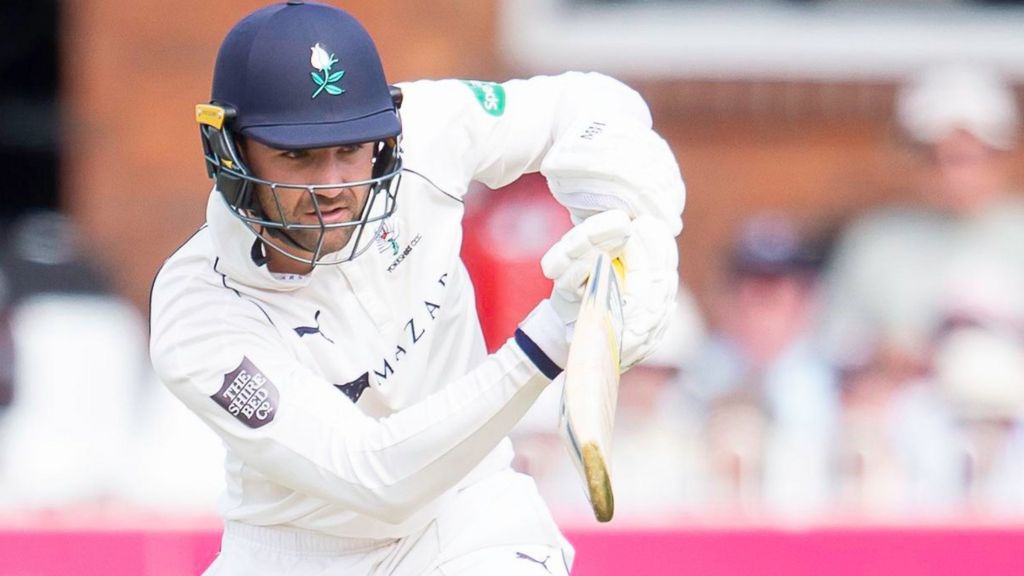
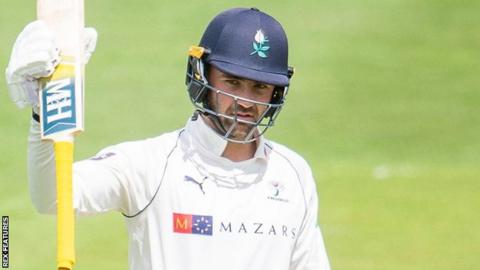
Will Fraine is under the care of Yorkshire CCC’s Physiotherapy Team, and the Huddersfield cricketer, Yorkshire’s most recent 1st Class centurion, has made a great start on his knee rehabilitation in Huddersfield, here at North Light Physiotherapy, as he continues on his road back to fitness.

Patellar Dislocation

Having sustained multiple dislocations of his Patella (knee cap) over a number of years, Will recently underwent a MPFL reconstruction, a procedure to mechanically stabilise the Patella, and reduce the likelihood of further episodes of dislocation.

Lead Physiotherapist Chris Liversidge explains:

Dislocation of the Patella, or even subluxation (“partial dislocation”) is an extremely debilitating injury, particularly in athletic people. Under normal circumstances, it is stabilised within a groove at the bottom end of the femur (thigh bone), and held in place securely by strong ligaments which surround the knee. Strong Quads (front thigh muscles) also increase the dynamic stability of the Patella within its groove.

In some individuals, the groove at the end of the thigh can be relatively shallow, (see below X-Ray image) making it easier for the patella to come out of place- often day to day activity is enough to cause this in people who are hyper-mobile. The medical literature also points to teenage girls being more at risk. Unfortunately, these things can’t be changed, but Quads strength can!Image result for trochlear dysplasia skyline

However in cases where the Patellofemoral joint (the joint between the kneecap and the groove in the femur) is very stable, excessive force, in the context of a sporting or other traumatic injury can be enough to overcome the strength of the supporting ligaments, and cause a dislocation. This most often occurs in the direction of the outer part of the knee/leg. Image result for patellar dislocation

This can be a very painful injury, and causes significant swelling, and subsequent reduction in Quads strength.

Initial Management

After pain and swelling settle down from the initial injury, Physiotherapy rehabilitation is critical to restore as much normality as possible. This involves lots of strength and balance work for the whole leg, and sometimes the trunk muscles! Depending on the future demands needing to be placed on the knee, Physiotherapy alone may be enough for the kneecap to behave normally in future. However if Physical demands are high, e.g. the knee is needed for sport, or heavy manual labour, the kneecap may be at risk of further subluxations or dislocations. The primary mechanical reason for this is that the supporting ligaments are over-stretched when injured- they contain elastic fibres, and once stretched beyond their elastic limit, they remain slack, making future dislocations more likely.  Sometimes very strong Quads, and excellent balance and spatial awareness (proprioception) can compensate for the ligament deficiency, especially if demands on the knee aren’t very high.  But in cases where demands are high, this is less likely. In these cases, where dislocations continue, help is needed from a specialist soft tissue knee surgeon.

Image result for MPFL reconstruction

MPFL Recon


Surgical Management

If the groove behind the patella isn’t on the shallow side, quite often reconstructing the MPFL, the major stabilising ligament of the kneecap, known as the Medial Patellofemoral Ligament (or MPFL), is required. This is achieved by fixing a borrowed piece of hamstring tendon into the side of the patella and the end of the femur, to effectively replace the deficient MPFL. (See picture: slight operative technique variations may mean if you have this procedure, it may not look exactly like this..) , after this, the knee is swollen, pain can be significant, and the Quads become extremely weak. To improve the Quads, the primary job is to reduce pain and swelling as quickly as possible. As these improve, we can become more progressive with the rehab demands we place on the knee.  But we have to go slowly at first, so we don’t lose control of the pain and swelling! Electrical Muscle Stimulation (EMS) is a good way to initially fire up the Quads muscle, if it is inhibited.  To return to a point where high-level demands can be placed on the knee, especially in the context of professional sport, can take 4-6 months.

Interestingly, the operation scars nowadays are relatively small, due to advances in surgical equipment and the skill of the surgeons using it! For this reason, the operation wounds can appear small, and give the impression that this “minimally invasive” type of procedure is a minor one…but we have an important job in explaining the extensive nature of these types of procedure to our patients, so they understand the significance of the extent of surgical treatment.

Returning to play

For Will, he is now well on the way to recovery. He is doing lots of static cycling, and quads, hamstrings and glutes work in the Gym, (see video links below), not to mention the all-important spatial awareness rehab, and some early cricket drills. He’s really enjoyed being able to bat against some tennis ball under arms, to encourage his front foot placement, and we have used a squat position to rehab his quads, whilst mimicking a slip catching position!

The aim is for him to be ready as soon after the start of the season as possible, assuming everything goes to plan. We’re all working hard to ensure his maiden 1st Class century, secured at Scarborough last season, is the first of many! Yorkshire opener Will Fraine

To book your Knee rehabilitation with Chris Liversidge, our Lead Physiotherapist, or one of the North Light Physiotherapy team, you can contact us here or call us on 01484 660663

Ante Natal & Post Natal Pilates

Becky Walker North Light PhysiotherapyNorth Light Physiotherapy’s specialist Obstetric Physiotherapist Becky Walker tells us more about the benefits of Ante Natal & Post Natal Pilates

“I run the Pilates Classes here at North Light Physiotherapy.  My specialist Ante Natal / Post Natal Pilates classes are suitable from early pregnancy onwards – then once your baby is born, we’ll be ready to welcome you back after your 6 week postnatal check.

The class is a small group, so exercises can be tailored to suit each individual. All the exercises are safe for you and your baby, and will help your body to cope with the many changes it experiences throughout pregnancy and beyond.  The main focus of the classes are to:

  • Strengthen the abdominal and pelvic floor muscles
  • Maintain spinal flexibility/movement
  • Help reduce alterations in posture as the bump increases.

Pilates breathing techniques can also be very useful during labour.”

Pilates is highly recommended by physiotherapists for those experiencing Pelvic Girdle Pain (PGP).

Obstetric Physio and Ante Natal / Post Natal Pilates at North Light Physiotherapy HuddersfieldPelvic Girdle Pain (PGP)

PGP (previously known as SPD – Symphsis Pubis Dysfunction) can occur at any stage during or after pregnancy and birth.  PGP is caused by an asymmetry of movement within the joints of the pelvis and lower back, this causes pain and difficulty moving.  Find out more at The Pelvic Partnership’s website.


Symptoms of PGP:

  • Pain and stiffness in pelvic joints
  • Difficulty walking, climbing stairs and turning over in bed
  • Pain and dysfunction can last for months or years without treatment

Treatment of PGP:

  • Manual therapy is the most effective treatment
  • PGP is treatable at any stage during pregnancy and postnatal – Hormone levels can’t be altered, but joint asymmetry can!
  • Manual therapy treatment of the pelvic joints and soft tissue is safe and effective, both during and after pregnancy
  • Breastfeeding can have a positive effect in recovery
  • You can resolve your symptoms with early diagnosis and treatment
  • Research* has shown that women who don’t have manual therapy can experience pain for months or years after the birth of their baby

For more information about pre or post-natal Obstetric Physiotherapy, or to book a Pilates Class with Becky, click our Contact page or call 01484 660663

North Light Physiotherapy Associates Ltd are registered with all major healthcare insurers

*Research: Pelvic girdle pain: The Stickmum project 3 years forward. British Journal of Midwifery, Nov.2018, Vol.26 No.11

North Light Physiotherapy and Heart Yorkshire

We’re supporting Heart Yorkshire’s “Coast to Coast” Challenge

Heart Yorkshire Breakfast Show presenter Emma Lenney is taking on an epic challenge this week – and North Light Physiotherapy will be there to help her on her way!

The Heart Yorkshire Coast to Coast Challenge will see Radio star Emma kayaking and cycling 163 miles across the country from Liverpool to Goole.  It’s going to be tough – so North Light Physiotherapy’s Chris Liversidge is going to be there to provide expert care, and keep Emma in tip-top condition as she completes her journey.

Follow Emma’s progress on Heart’s Facebook page, and Chris will be keeping us up to date on our North Light FacebookTwitter and Instagram feeds.

Good luck Emma, from all the team at North Light Physiotherapy!